
How regional leaders are rewriting the hospitality playbook at FHS Riyadh
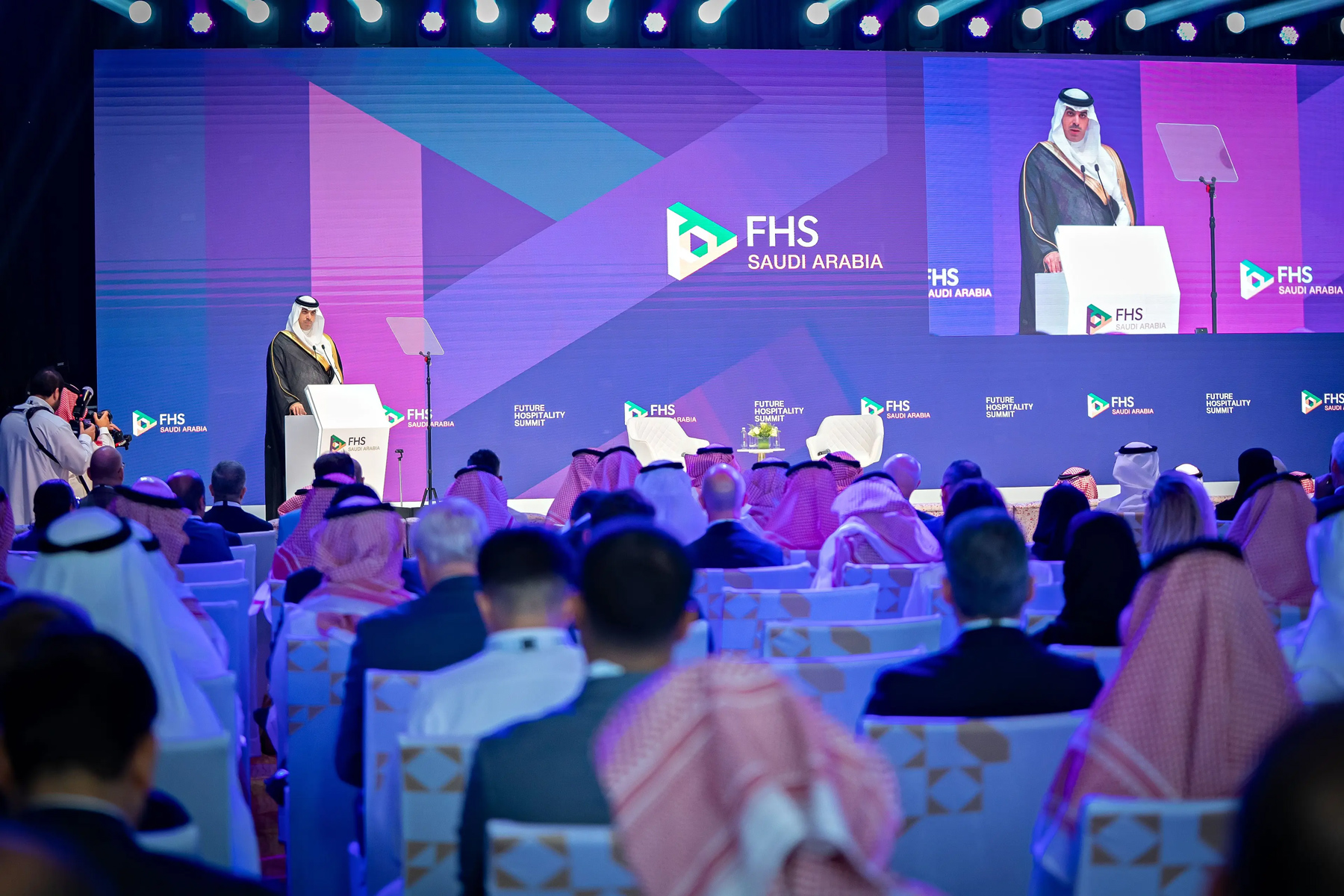
The recently concluded Future Hospitality Summit (FHS) Riyadh served as a powerful showcase of stability, maturity and structural realism in the Middle East's travel and tourism market. Moving decisively past the era of mere promise, the event highlighted a region actively executing some of the most ambitious infrastructure and lifestyle projects in modern history.
From the conference stage, the scale of the transformation was made immediately clear. “Saudi Arabia is sitting on $1.3 trillion of real estate and infrastructure pipeline, that’s 338,000 new hotel rooms,” noted Ali Shahid, Chief Executive Officer at The Bench, the global platform behind the Future Hospitality Summit (FHS series), the Branded Residences Forum, and AviaDev. “100,000 of these hotel rooms are being built right now.”
On the exhibition floor, TTN caught up with key industry executives to capture the frontline strategies driving this historic expansion.
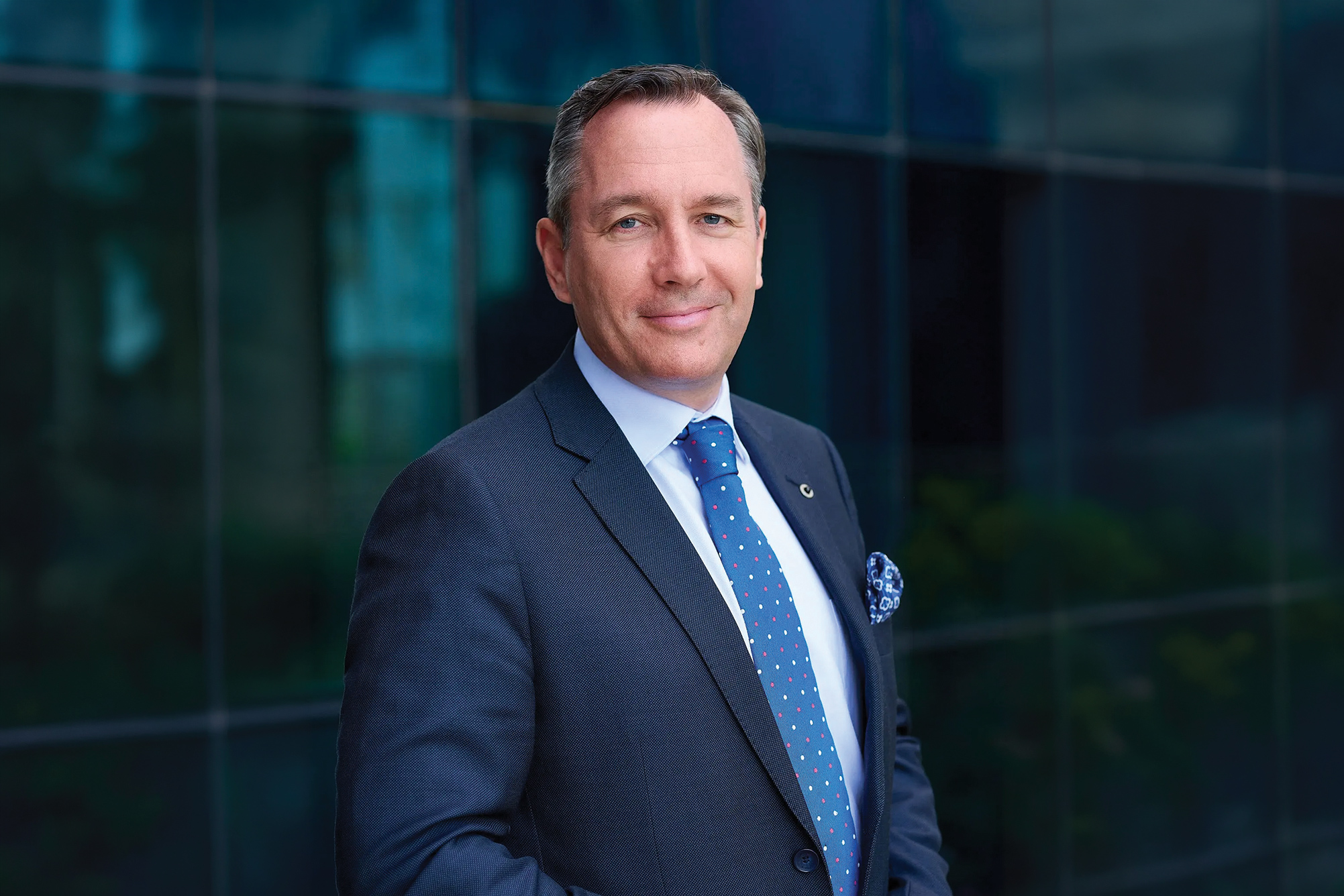
For major hospitality groups, navigating the current climate requires strategic flexibility and deep owner collaboration. Siegfried Nierhaus, Vice President Middle East at H World International, highlighted how diversification has shielded their operations. “This whole period for us is actually not that bad, because of our great exposure in areas which are not affected, a diversification of portfolio throughout the Middle East, which makes you more resilient and less exposed.”
This resilience is translating directly into rapid commercial expansion, particularly through targeted regional partnerships. “This year should be one of the record years in terms of signing - we are looking to sign another nine - all is lined up in order to be able to sign minimum 10 hotels this year,” Nierhaus shared, pointing to their active Saudi push.
Ultimately, Nierhaus noted that the regional landscape has evolved into an owner-centric market: “This market has become so mature that you cannot talk about it as a new market anymore. The power is shifting between the operator, brands, ownership and we have to honour the owner’s commitment and contribution to our projects.”
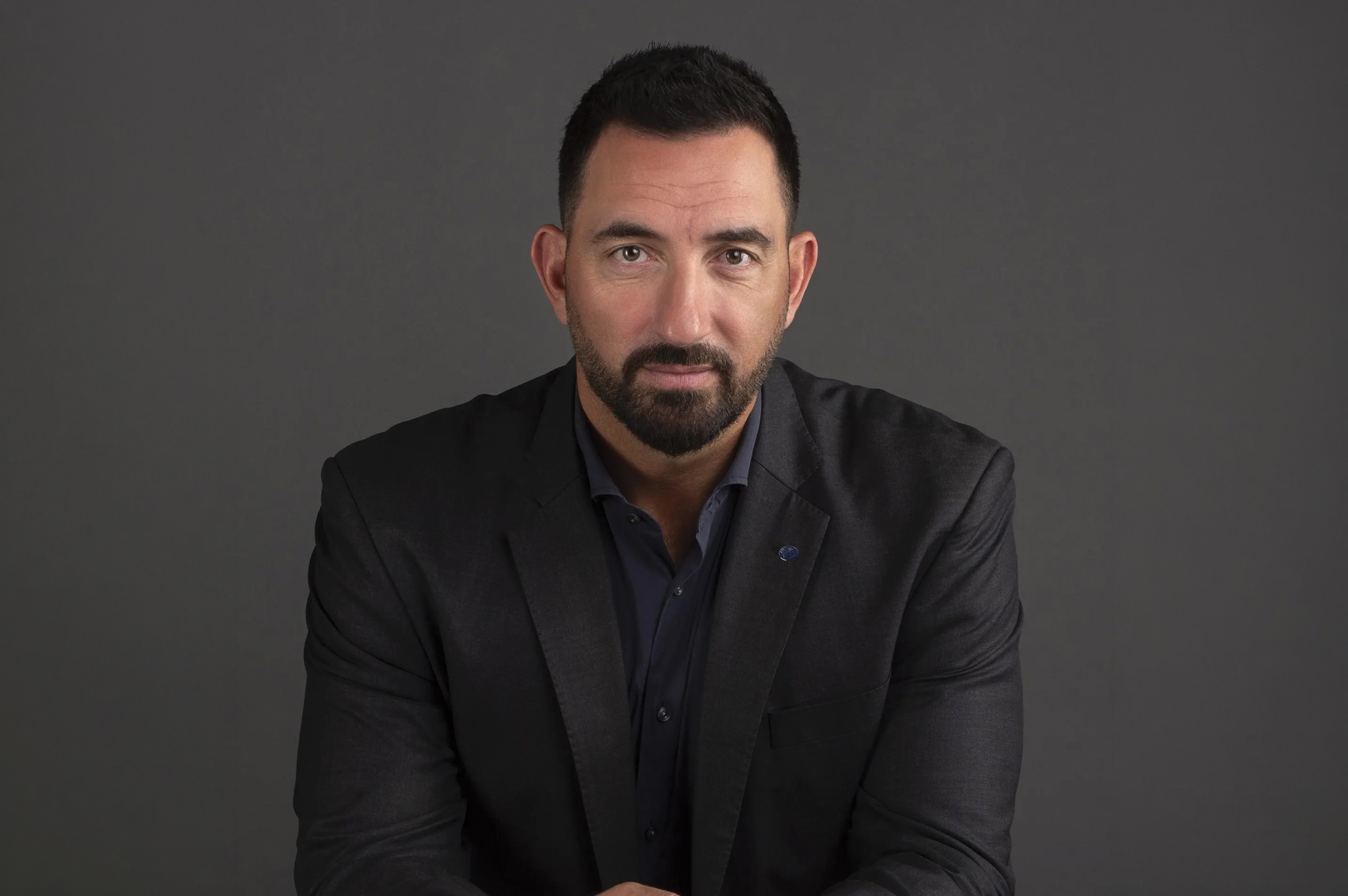
The conversation around hotel operations at FHS Riyadh heavily focused on the rapid emergence of franchise and third-party management models over traditional Hotel Management Agreements (HMAs). David Thomson, SVP Development of The First Group Hospitality, explained how their model was born out of a desire for better asset performance. “Owners had brought in HMAs with some of the bigger brands. They weren’t quite getting the returns that they wanted - they wanted their own hospitality company to operate and hopefully drive better revenues.”
The financial validity of the switch was immediate. “In our first year of operation, we actually improved the bottom line by 40 per cent, so it kind of proved that the franchise and third-party operator model really worked, because we switched all the HMAs to franchises,” Thomson revealed. Looking ahead, the group is aggressively exporting this blueprint: “We have now signed about 25 properties so we’ve got about 25 in the next two and a half years. We’ve just signed an agreement in Turkey, we’re talking to properties in Greece, and, of course, we’ve opened up in Africa.” Thomson believes the region is ripe for structural disruption: “In America, franchise represents about 90 per cent, in Europe it’s near 70 per cent, whereas in this market it’s like 2 or 3 per cent at the moment.
“Brands work for the brands, whereas we work for the owners,” Thomson quips.
This relentless focus on returns was mirrored by Mohamad Haj Hassan, Market Managing Director, Middle East & Africa at Wyndham Hotels & Resorts, who identified a critical gap in the market. “Is the supply enough for the demand? I’ll tell you, no. There is a shortage in rooms, in particular, the mid scale.” With a pipeline of 41 hotels complementing their 11 operating properties in the Kingdom, Wyndham is leveraging its global scale to capture value.
“Selecting the operator is very important. Selecting the brand is very important.
It’s not necessary to have a luxury name, at the end of the day, as an investor what you care about is ROI,” Hassan stated.
While business models are evolving, maintaining a values-driven corporate culture remains paramount for regional mainstays. Eddy Tannous, Chief Operating Officer at Rotana, reflected on his mandate to bridge heritage with a global mindset. “I found the company really rooted in its culture. My role is to continue bringing that global mindset to this great heritage local company, as long as you don’t lose the DNA.”
Tannous emphasised that internal culture is tested during challenging cycles. “Companies who have real values don’t just write them on a board. In times of crisis, you see yourself leaning back on those values. I’m very proud to say this year at Rotana we didn’t lose one employee because of the situation.”
FHS Riyadh also threw a spotlight on the stunning physical transformation of the Kingdom’s urban and coastal topography. In Jeddah, massive mixed-use waterfront destinations are gearing up for international showcases while keeping long-term legacy top of mind. Engineer Ahmed Al Aredhi, Chief Experience Officer, Jeddah Central Development Company, detailed the immense scope of their coastal project. “Jeddah Central is a destination within the city of Jeddah over a 5.6 million square metre site anchored by landmarks, a stadium, opera, oceanarium and museum.”
With the city designated to play a major role in the World Cup 2034, Al Aredhi emphasised that infrastructure must transcend the tournament itself. “One of the tournament stadiums is Jeddah Central Stadium but the way we see this is what comes after the event. Hosting is nice, 30-plus days, but after that is what the city would be able to sustain in terms of the entire ecosystem for hospitality.”
Simultaneously, the holy city of Madinah is witnessing historic transit-oriented developments. Marko Vucinic, Executive Director of Investment and Asset Management at KEC, mapped out a masterplan built to handle immense volume. “We have 6.8 million square metres of development land within the haram boundaries of Madina. Upon completion we will have around 42,000 hotel keys, 45,000 residential units and around 1.3 million square meters of leasable space.”
DoubleTree by Hilton Madina, a major milestone has already been reached with the opening of the DoubleTree by Hilton, directly tied to regional transit networks. “We’ve delivered our first hotel, now officially opened, DoubleTree by Hilton, 325 keys, part of the Madina Gate development, the first transit-oriented development in Madina… connected to the Haramain high-speed railway, which brings on average 10 million passengers per annum.” Al-Othman concluded on the profound historical gravity of his work: “If we look internationally, there are very few cities, master plans of such magnitude, we’re actually building a city from scratch. Being part of that is, on a personal level, very exciting.”
As these massive masterplans rewrite the physical map of the region, a parallel transformation is taking place regarding what happens inside these destinations.
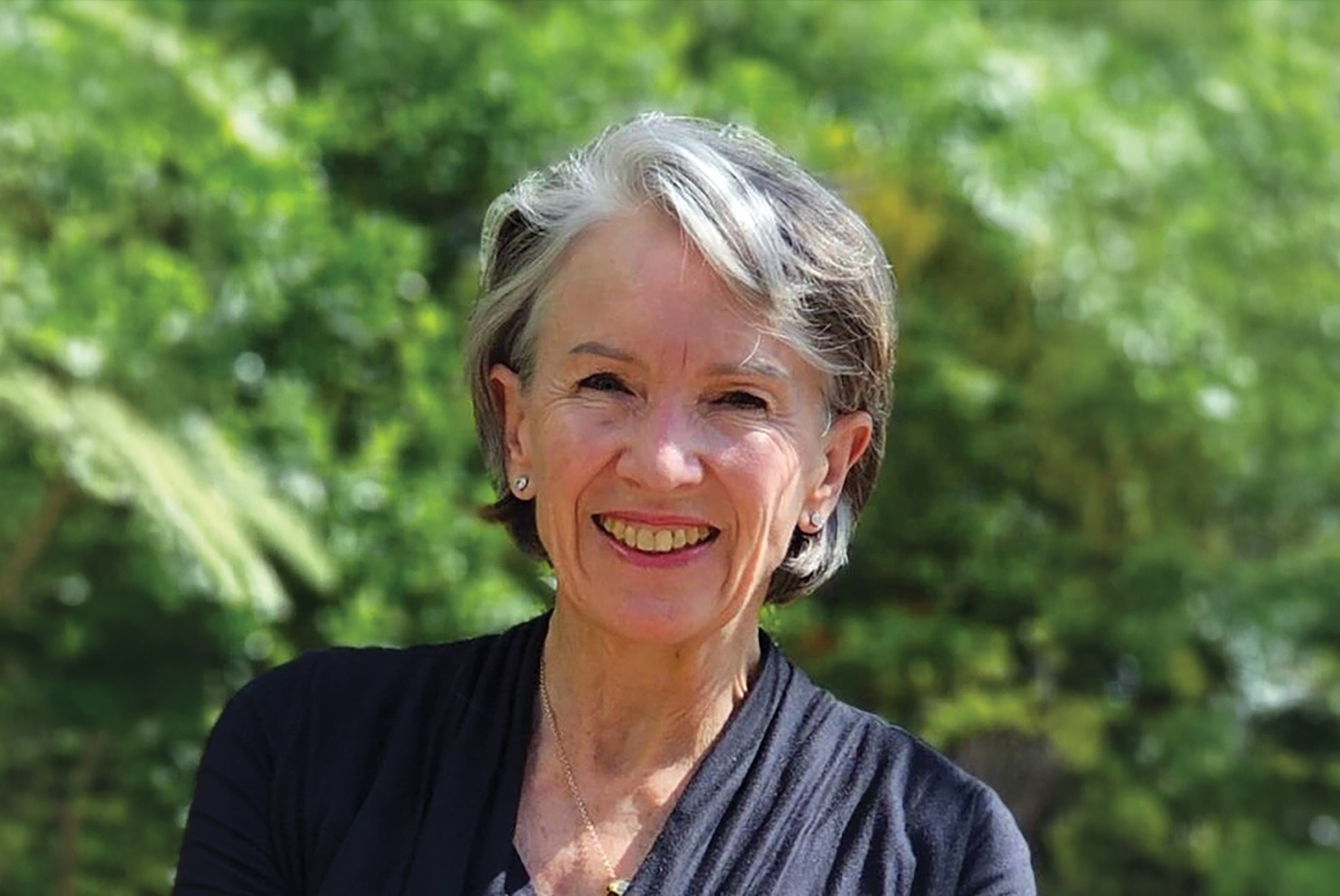
Bringing this human-centric vision to life at FHS Riyadh, Karen Campbell, CEO of Jayasom at The Red Sea, noted that true longevity ultimately comes down to fundamental habits rather than marketing flash.
Unlike standard resort properties, Jayasom's operational focus is on enduring lifestyle changes that guests can sustain long after check-out. “Our goal is to help people learn things that they can take and do at home afterwards so it becomes part of their life,” Campbell explained. “With a spa, you go and you feel good for an hour. By tomorrow that feel good is washed away. There’s nothing that lingers with you.”
Crucially, as these mega-projects scale to welcome all demographics, Jayasom’s infrastructure has been explicitly engineered to balance distinct traveller segments, offering a rare, inclusive approach to wellness. “Functionally speaking, there are very few places that actually support families,” Campbell noted. “For me it’s very important that solo travellers understand they can have a private, non family experience but at the same time we have this separate infrastructure for families.”
This comprehensive, educational approach to health is a timely and vital addition to the Middle Eastern market, serving as the essential software to the region's booming hardware.
As Campbell concluded, the regional demand is clear: “You look at the health profile of the GCC – very high levels of diabetes, cardiovascular disease, child obesity. These are countries that need insight into what we have to offer.”
Jayasom is expected to open later this year in AMAALA on the Red Sea Coast.