
As the FIFA World Cup 2026 continues to draw global headlines, the spotlight is shifting toward the logistical precision required to move fans across three host nations and hundreds of miles of terrain. While the tournament's scale is unparalleled, it has presented unique challenges for travel agencies navigating a complex geopolitical and economic environment.
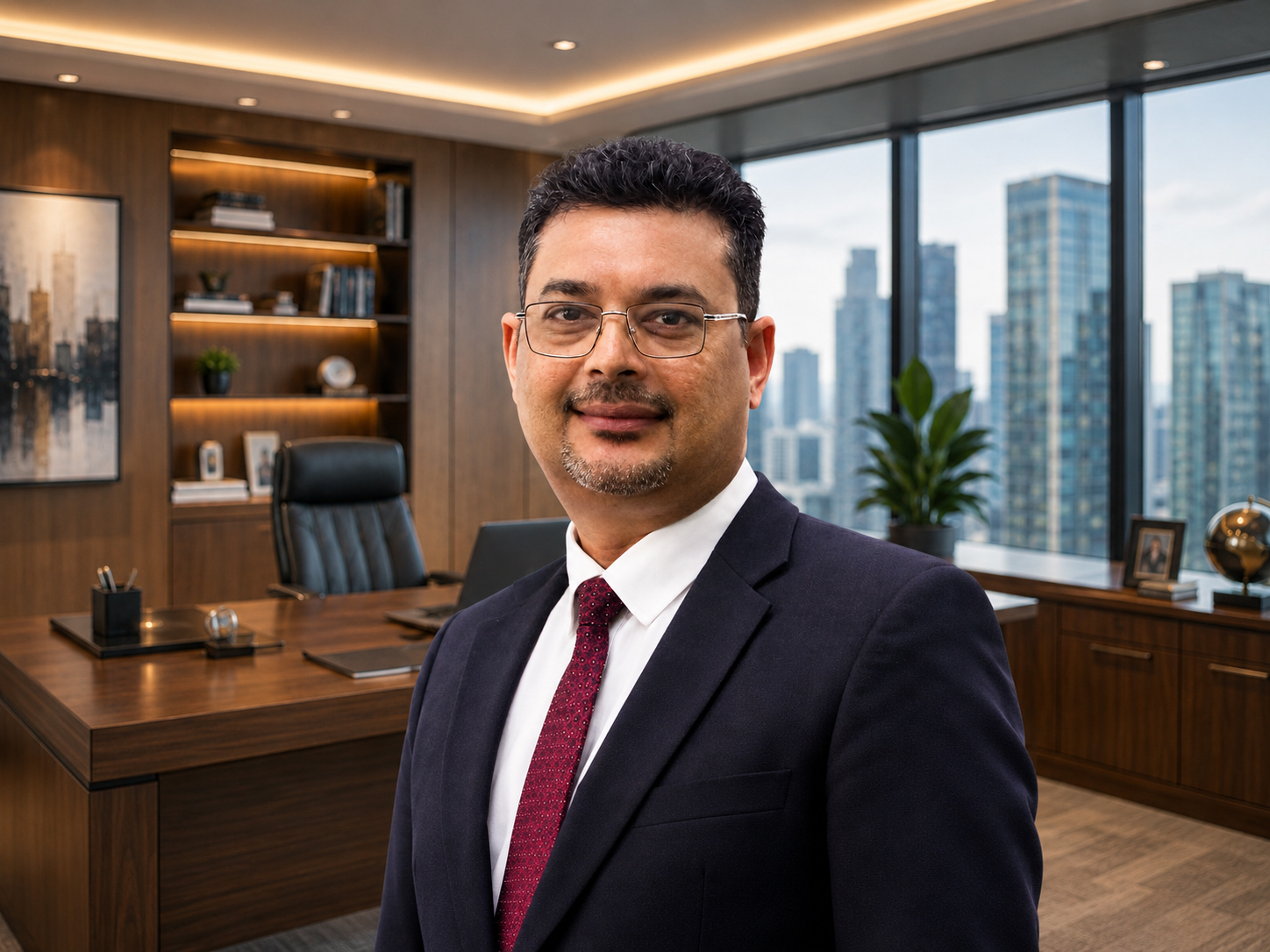
To gain a clearer picture of these dynamics from a corporate and events perspective, TTN spoke with Sanjay Thamby, Manager – Meetings, Groups & Events for DW Travel. In this interview, Thamby offers an expert look at how his team is orchestrating high-stakes, multi-city itineraries, the shifting demands of the luxury market, and why this tournament, despite current regional headwinds, remains a defining case study for the future of large-scale sports tourism.
TTN: What are you observing on the ground regarding the volume and nature of regional enquiries for the FIFA World Cup this year?
Sanjay Thamby: To be candid, interest from the Middle East has been softer than initially projected. It is a highly complex landscape right now; local operators are balancing strict visa challenges, regional political uncertainty, rising international airfares, and historically high match ticket prices. Naturally, regional fans are comparing their total projected expenses against their experiences at the Qatar World Cup, which offered unprecedented proximity and financial accessibility for travellers from this side of the world.
That being said, true football purists remain completely undeterred. For the dedicated contingent of fans who successfully secured match allocations, the excitement is incredibly high as they head out to experience the games.
TTN: Given the ongoing logistical friction in global aviation, which carriers are currently winning the trade for your tournament itineraries?
Sanjay Thamby: Emirates continues to stand out as the primary choice for regional travellers, driven heavily by their extensive network of direct routes and highly reliable flight connectivity. However, we are also observing a very steady, strategic flow of demand via Etihad Airways. Etihad has been particularly effective within the Saudi Arabian market, where its specific routing options and seamless transit connections are proving highly attractive for clients flying out from the Kingdom.
TTN: How are you structuring fan itineraries, and what steps go into building a successful World Cup itinerary behind the scenes?
Sanjay Thamby: Our bookings are almost entirely built around die-hard fans following their respective teams through the tournament brackets. We construct customised, multi-city itineraries that harmoniously stitch together international flights, regional connections, accommodation, and match tickets across multiple host cities. For example, we currently have clients tracking the match schedules of powerhouse squads like Argentina and Brazil, allowing them to take in elite football while exploring diverse North American destinations.
Behind the scenes, a successful FIFA holiday is an intensive exercise in juggling multiple moving parts. The sequence always begins with securing verified match tickets. From there, we map out a tailored itinerary across host cities and coordinate complex, multi-destination flights. Accommodation is selected with two absolute non-negotiables: safety and convenience. Given the massive geographic footprint of this tournament, we handle visa tracking, ground transport, and local event regulations with extreme precision. We place immense emphasis on comprehensive travel insurance to mitigate unforeseen emergencies, curate exclusive fan club experiences, and provide 24/7 on-ground assistance via trusted local partners to ensure total comfort and convenience.
TTN: Are you managing any high-profile VIP bookings or high-end luxury products for the tournament?
Sanjay Thamby: Yes, we are processing premium bookings through our specialised corporate and VIP divisions. However, due to strict, legally binding non-disclosure agreements and privacy protocols, I cannot disclose specific individual names or corporate identities.
What I can tell you is that the luxury segment remains an important engine in the sports tourism sector. High-net-worth travellers are actively seeking deeply customised itineraries, top-tier corporate hospitality packages, elite match-day seating, and fully personalised, private ground logistics. While the volume of this luxury segment is comparatively small, it represents premium yield.
TTN: How is DW Travel structured operationally to handle an event of this magnitude?
Sanjay Thamby: We deploy a highly specialised, dedicated events team that possesses extensive, specialised experience in managing major global sporting infrastructure. Our coordinators undergo targeted training to handle the incredibly unique, high-pressure logistics of world-class sporting tournaments, ranging from managing tight flight turnarounds to navigating massive hotel block management. Crucially, we work hand-in-hand with trusted, heavily vetted on-ground partners in the host countries. Every single ground element operates under our direct supervision to guarantee a seamless, zero-friction experience for our travellers.
TTN: Finally, what are your broader macroeconomic reflections on the trends defining this historic tournament?
Sanjay Thamby: This edition is undeniably a landmark moment for global sports tourism. Expanding the grid to 48 teams and spreading the match architecture across three massive host nations creates an incredible catalyst for multi-destination travel.
However, it is clear that demand for top-end hospitality products and premium packages has been more conservative than the market originally hoped. There is no doubt that if regional geopolitical and economic conditions were more stable, we would be seeing a much higher uptake in the luxury travel sector.
Nonetheless, the structural lessons learned from executing an event of this scale will set the benchmark for future mega-events for years to come.