
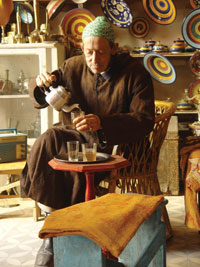
Riads - the grand old dames of North African traditional architecture – were crumbling, so much that they were only fit to house livestock for local markets, until 10 years ago.
New life was then breathed into 25 of these by growing numbers of European sophisticati beginning to jet-set over the Straits of Gibraltar who found them charming, lucrative retreats. Once the likes of Anna Wintour arrived in Morocco among the first wave of daring fashionistas, word soon spread. Marrakech, Fez and Essaouira became reborn cities, elevated to design capitals and icons of taste and places where culture and tradition met today’s hottest styles.
Originating from the ancient Roman city of Volubilis (the ruins of which lie just outside Meknes), a ‘riad’ is a traditional Moroccan house or palace with an interior garden, from which the term in Arabic takes its inspiration. Artisans and builders modified the standard plans of a Roman villa to accommodate the cultural sensitivities and climate of North Africa.
With the coming of Islam, the riad’s inward looking design proved ideal; allowing family privacy from prying eyes as well as protection from the heat. Tucked away in the medinas of Morocco lie some of the most elegant riads money can buy.
Dar Seven, Marrakech
Dar Seven is located in the heart of the bustling medina in Marrakech - the old town that lurks inside the ancient city walls. Renovated in 2007, this three storey palace has been transformed by its current owners, Prince Pietro and Princess Letizia Ruspoli and their children. There is a European influence at work here, offering crisp simplicity of colours and textures in each room. The subtle, earthy tones stand in contrast to the bold, explosive colours usually synonymous with Moroccan interiors. Touches of exoticism such as the curved chairs, polished brass lanterns, or the beech wood Moroccan tea tables evoke the mystique of the Berber culture. Yet this retreat is fully equipped with the latest hi-tech gadgetry.
Visitors can also explore by chauffeur-driven car the surrounding Atlas Mountains or, closer to home, the neighbourhood hammam. Individual suites are available or the entire riad could be hired on its own. Visit www.darseven.com
Heure Bleue, Essaouira
Traders, armies and even pirates have been sailing into Essaouira since the fifth century BC. No wonder then that the town’s medina was designated a UNESCO world heritage site back in 2001. Originally named Mogador, Essaouira has had a rather colourful past, even in recent times. Orson Welles filmed the 1952 classic ‘Othello’ along its alleyways, while Jimi Hendrix, Bob Marley, and The Rolling Stones all found themselves chilling in the coastal town that has cleverly managed to avoid the conventional trappings of the tourist trade. Today, the town is a firm favourite with affluent French as well as adventurous surfers. Heure Bleue opened its doors four years ago. It took three years for architects Karl Fournier and Olivier Mary to carefully restore the 19th-century palace together with a team of the finest craftsmen in Morocco. With 16 rooms and 19 suites, themed along African, Orientalist, English and Portuguese styles to reflect the history of Essaouira, Heure Bleue is on a grand scale and boasts a phenomenal reputation as a gastronomic hotspot; serving dishes that are a perfect symbiosis of French and Moroccan flavours. Expect nothing less from this outpost of the Relais et Châteaux family. Visit www.heure-bleue.com
Riad Fes, Fez
The capital of Morocco for more than 400 years, Fez is home to the oldest university in the country and is a leading cultural and religious centre. As the largest medieval city in the world, Fez is a city that has remained almost unchanged.
Proof that modernity and tradition can live in perfect harmony, Riad Fes is the height of Maghreb elegance. Built in the 1880’s on the backs of fortunes made by the city’s traders in Europe, Riad Fes possesses touches of both East and West throughout. The zellig (mosaics) - a signature of Moroccan architecture - blend seamlessly with the fresh, contemporary interior design of this charming old palace.
Riad Fes located in the heart of Fez was lovingly restored by the Sefrioui family in 1999. The 26 room property (including a sumptuous royal suite) is luxury embodied. The ornate mashrabiya balconies and the contemplative beauty of the central fountain courtyard are heightened by simple, modern furniture in tones of rich burgundy and deep mahogany. www.riadfes.com
Riad W, Marrakech
For style, there is Riad W (even though it is no relation to the prestigious Starwood hotel brand). Located between the Bahia Palace and the red square of Jemaa El-Fnaa, this hotel has jettisoned the riad concept into the 21st century. Sharp, contemporary designs integrate with age old elements as they sit within plenty of white space. Basins, fountains, and artisanal touches from past and present add volume and light to the interior and provide a cooling ambiance. With just four rooms, there are no queues for dinner. Just about everything at Riad W is bespoke; right down to the evening aperitif. Visit www.riadw.com
Riad Ibn Battouta, Fez
Named after the great Berber explorer whose adventures spanned most of the Islamic world, this exquisite seven suite hotel takes you on a sumptuous journey to some of the most exotic destinations visited by the 14th Century traveller. Located near the Batha Museum and the great Bab Boujloud, Riad Ibn Battouta is a magnificent residence, with rooms designed in the spirit of magical cities such as Sana’a, Samarkand and Isfahan. With an impressive panorama of the city of Fez and the Middle Atlas Mountains from the terrace of this recently restored building, guests can indulge in a variety of activities amid elegant surroundings. Spend a few days here and you will be scouring the souqs in search of traditional diwans and Berber carpets to recreate the character back home. Relax in the inhouse hammam or immerse yourself in the flavours of traditional Moroccan cuisine with the help of the Riad’s resident chef.
Along with the daily cooking demonstrations, guests also have a chance to try Riad Ibn Battouta’s private calligraphy workshops. Beyond the palatial interiors, visit some of the many riches of Morocco’s former capital city including the local tanneries, souqs and nearby archaeological sites. Visit www.riadibnbattouta.com
Article courtesy Clientele Bahrain. Visit www.clientele-magazine.com