
Spain has long been synonymous with Madrid, Barcelona, and, more recently, Marbella and Malaga for the average GCC traveller but as the travel landscape recalibrates in 2026, the narrative is shifting. The modern luxury traveller is no longer hunting for landmarks; they are hunting for authenticity, space and a slower, more immersive experience.
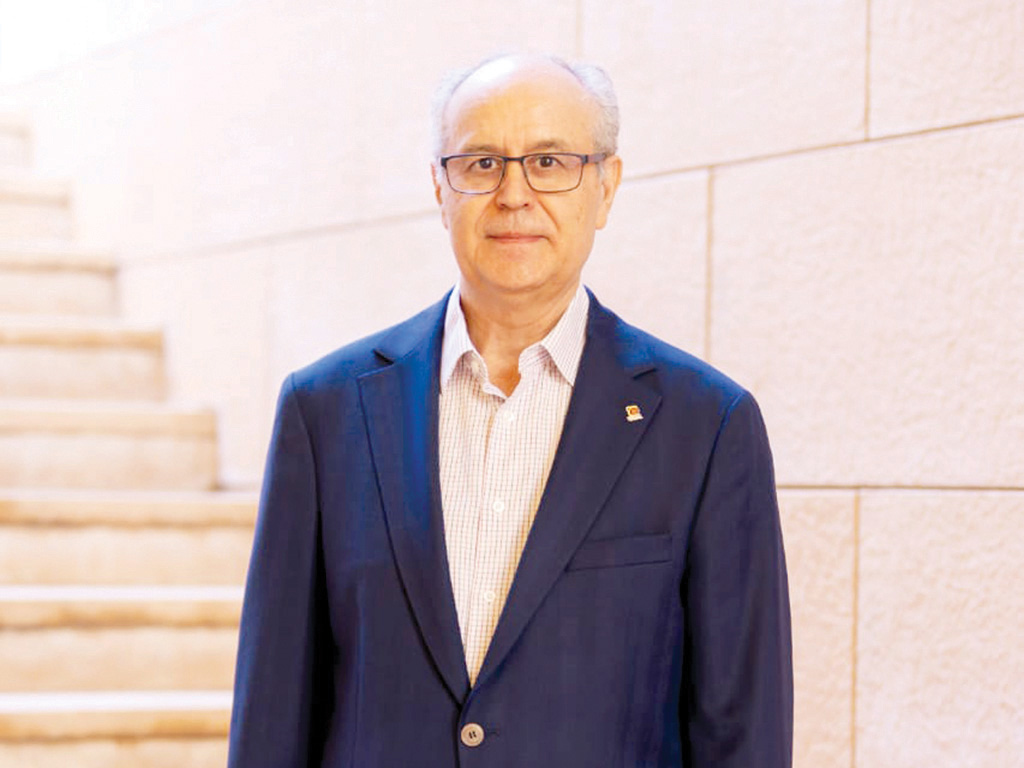
In an exclusive sit-down with Travel & Tourism News (TTN), Carlos Ruiz González, Director of the Spanish Tourism Office (Turespaña) for the GCC, explains why Spain is doubling down on its hidden gems and how the travel trade can join the dots to create high-yield, multi-city itineraries that go far beyond the usual.
Socially sustainable luxury
"Madrid, Barcelona and Marbella basically sell themselves," says Ruiz González, “but for Spanish people and seasoned European travellers, the real soul of the country lies in the destinations that are currently hidden gems for the GCC market."
This isn't just a marketing push; it’s a core pillar of Spain’s sustainable tourism strategy. By promoting less-crowded, culturally dense regions, Turespaña is fostering a model that is socially and culturally resilient. "We want to push places where you can still find living traditions and a slower pace of travel," Ruiz González says. "It’s about preserving these traditions rather than overwhelming them."
We want to push places where you can still find living traditions and a slower pace of travel. It’s about preserving these traditions rather than overwhelming them.
- Carlos Ruiz González
Fly-and-drive renaissance
For travel agents, the primary concern is always connectivity. Ruiz González is quick to point out that Spain’s world-class infrastructure makes time travel surprisingly efficient.
By using Madrid as a strategic central hub, the possibilities for crafting a one exceptional destination per day itinerary are vast, allowing travellers to immerse themselves in centuries of history without the logistical burden of changing hotels.
For instance, a visit to Alcalá de Henares is effortlessly achieved via a 40-minute drive or a short local train ride from the capital, while the medieval majesty of Toledo is reachable in just 30 minutes by high-speed rail, and the architectural wonders of Segovia sit conveniently under 30 minutes away by fast train, making these cultural deep-dives as accessible as they are transformative.
"It is the perfect landscape for fly-and-drive itineraries," Ruiz González explains. "A traveller can land in Madrid, rent a car, and explore the road network, which is exceptionally safe and well-prepared for self-drive holidays. From Barcelona or Málaga, you also have a comfortable two-hour radius packed with heritage."
Live the knight life
One of the most evocative products being highlighted is the Don Quixote Route. While the name is legendary, Ruiz González explains its tangible appeal for repeat visitors from the GCC who feel they need to rediscover Spain.
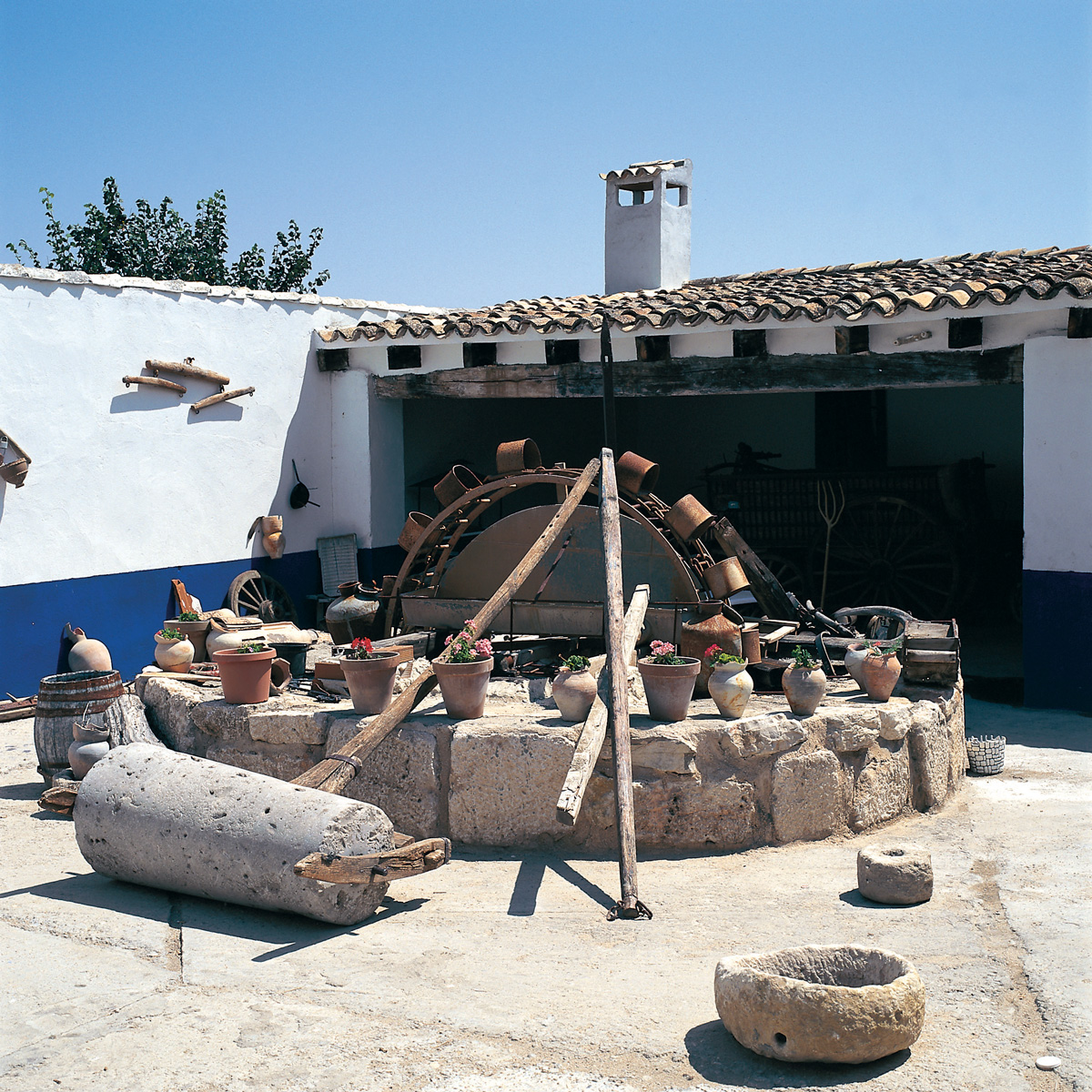
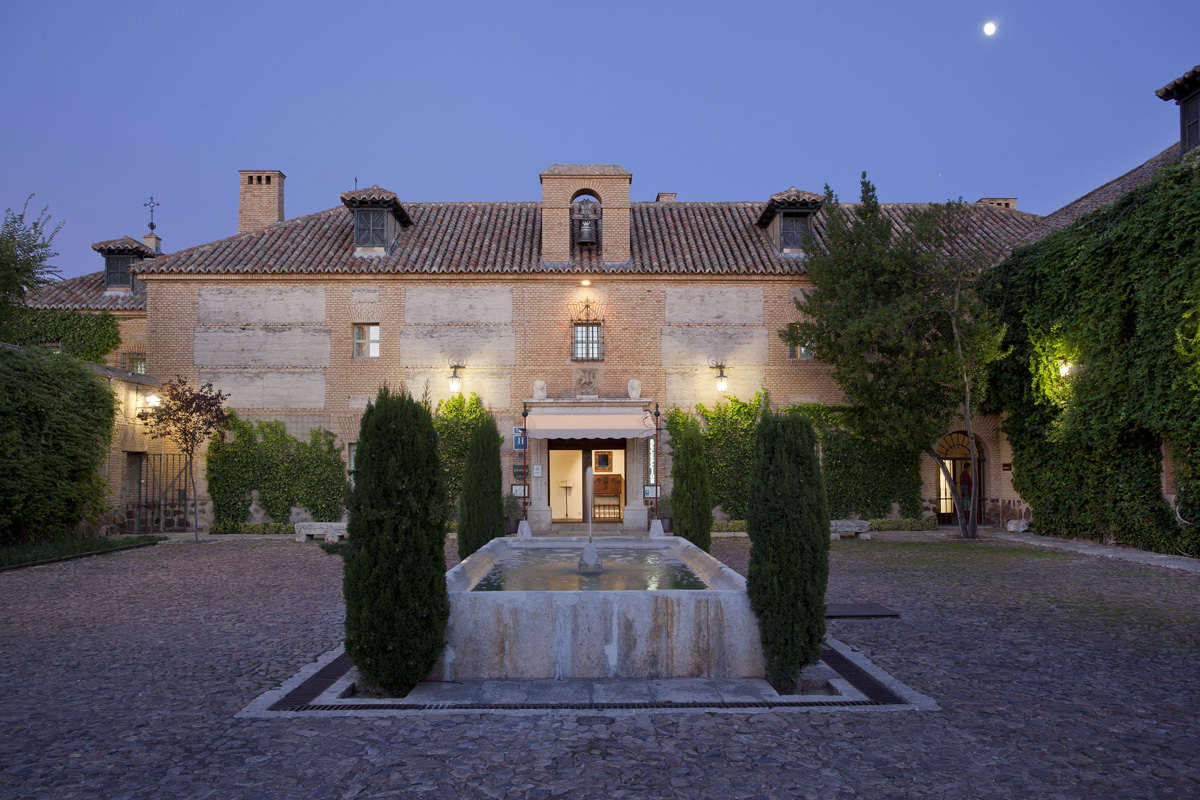
"The route links the places where Miguel de Cervantes lived - like Alcalá de Henares and Toledo - with the landscapes of La Mancha featured in the novel," he says. It offers a visual feast of historic windmills in Consuegra, fortified medieval towns, and traditional Castilian inns. "Even if someone hasn't read the book, the experience is pure 'time travel' - monasteries, castles and palaces that feel untouched by the modern world."
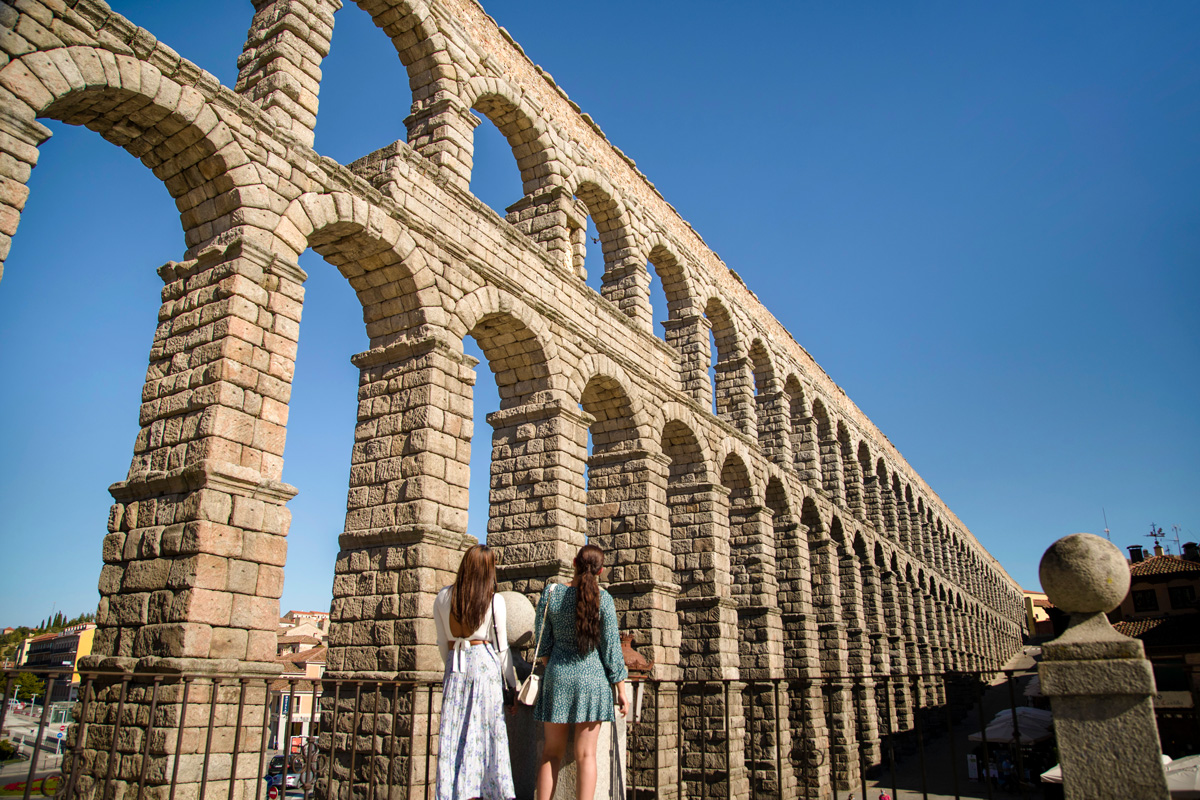
Ruiz González speaks with particular passion about Segovia, his mother’s hometown. "It has one of the best-preserved Roman aqueducts in the world and an Alcázar that looks like a Disney castle," he smiles. "But it’s also a culinary destination, famous for its suckling meat."
The road less travelled
The trade is also encouraged to look at Salamanca, known as 'La Dorada' for its golden stone architecture and one of Europe’s oldest universities; Ávila, renowned for its perfectly preserved medieval walls that encircle the old town; and San Lorenzo de El Escorial, a mountain retreat offering royal palaces and a dramatic change of scenery just north of Madrid.
What Ruiz González is describing is the institutionalisation of slow travel. For the GCC travel trade, the opportunity lies in upselling the post-Madrid experience. Agents can transform a standard city break into a high-yield heritage circuit that keeps repeat clients coming back for the ‘other’ Spain by leveraging the AVE (High-Speed Rail) and Spain’s safety record.
Is the GCC market ready for the road less travelled? According to Ruiz González, the feedback from regional agents is a resounding yes. "Clients are increasingly open to new experiences.
They are prepared to take local trains, use buses, and combine big cities with rural areas. They want unique, locally rooted events, not just the famous festivals."
To support this, Turespaña is providing the trade with high-resolution visual assets, thematic itineraries, and a how-to guide on packaging these regions.