
The Hospitality Sales and Marketing Association International (HSMAI) Middle East and Africa (MEA) concluded its 8th annual Commercial Strategy Conference in Dubai, marking its most successful edition to date.
The event saw a 15 per cent surge in attendance compared to last year, drawing over 400 delegates and reinforcing its position as the region’s premier forum for hospitality professionals.
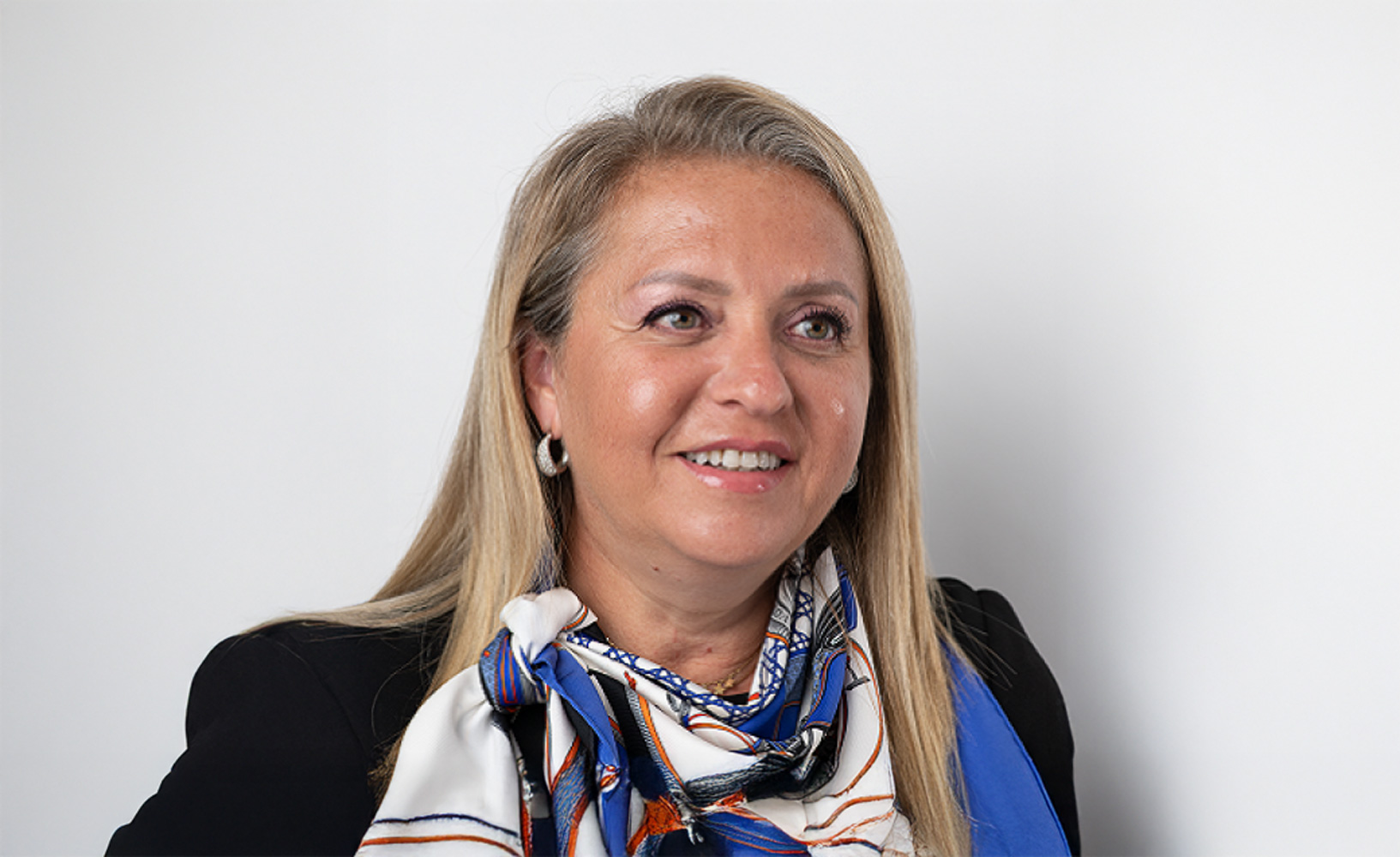
“We have had an incredible two days of knowledge sharing, networking, discussions and debates, tackling some of the most pressing topics in hospitality sales, marketing, revenue management and distribution,” Mona Faraj, President, HSMAI MEA said.
“This conference, developed by the industry for the industry, is not possible without the support from our amazing partners, sponsors, volunteers, advisory board members and our highly engaged audience members.
“This community is like a family and we can’t wait for another action-packed year of events, courses and social gatherings in 2026.”
The conference brought together a high-calibre community of experts in sales, marketing, revenue management, and distribution. Notably, 21 per cent of the audience travelled from outside the UAE, highlighting the event's growing geographical influence across the MEA region.
The two-day agenda was packed with 55 sessions delivered by 83 industry leaders.
“The biggest news of 2025 has been the growth of our organisational membership,” Faraj told TTNin an interview. “
The more we welcome new organisational members, the more we welcome brains and power
- Mona Faraj
we welcome new organisational members, the more we welcome brains and power.”
HSMAI operates globally through chapters; building a structured chapter in EMEA has been challenging. Egypt and Saudi have been on the radar for 4 to 5 years, Faraj explains, but HSMAI waited for the right leadership and member support. The Egypt chapter officially launched with a launch party in October last year, with 2026 plans already lined up, in partnership with the Egyptian Hotel Association.
A not-for-profit global association nearing its 100th year, HSMAI is building a trusted community for commercial leaders in hospitality, with Egypt’s new chapter marking a key milestone in the Middle East. Faraj underscores HSMAI’s role in convening experts, tackling topics like AI, and extending its reach beyond global brands to smaller and national players through credible local partners.
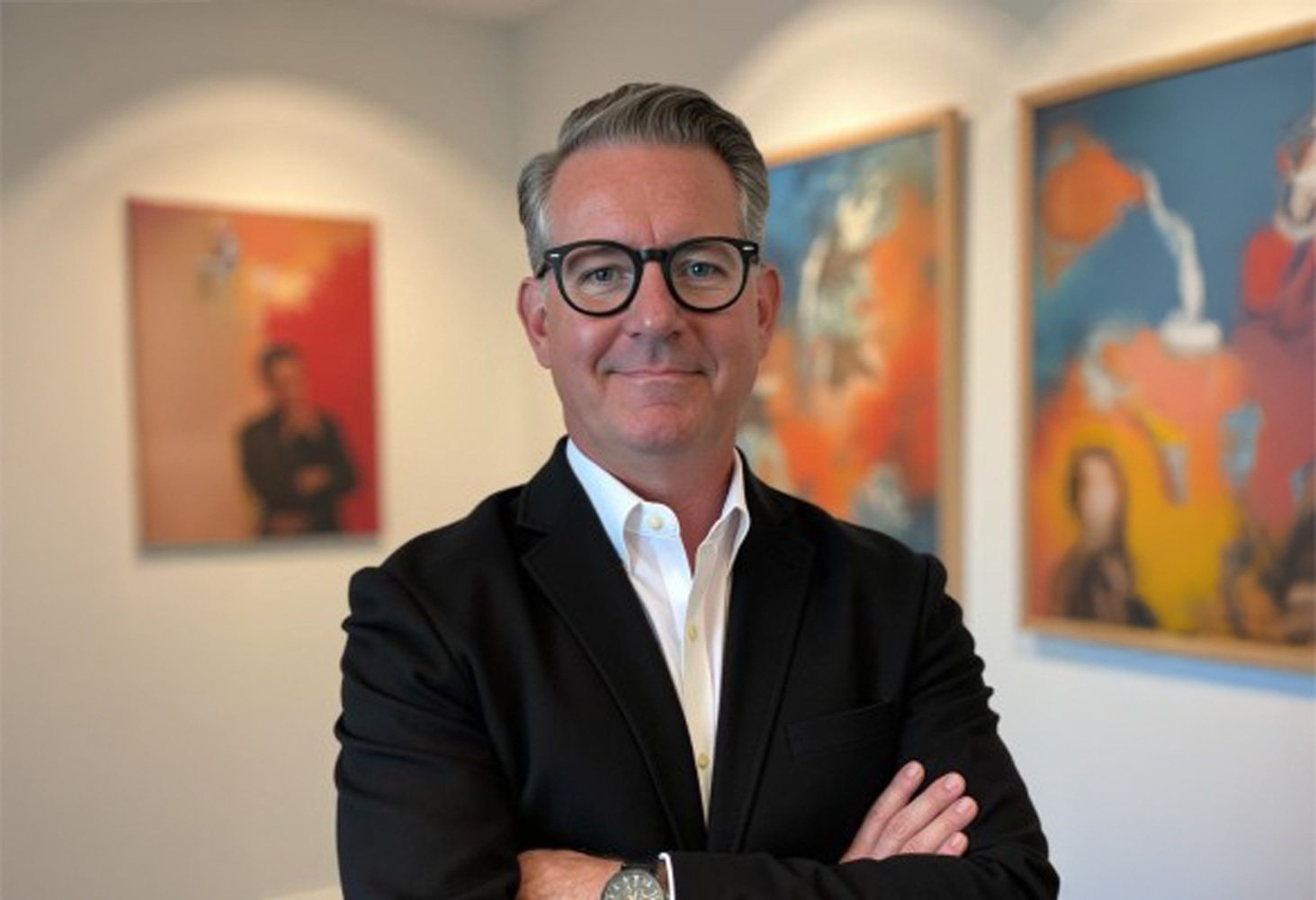
TTN also spoke to HSMAI President and CEO, Brian Hicks, who highlighted how HSMAI’s globally recognised certifications, continuous programme reinvestment and mentoring are addressing the industry’s talent and upskilling gaps - especially in fast-growing markets like the Middle East and the wider GCC, even where chapters are not yet formally established.
“Certifications are a great way to really upskill and continue your journey, whichever path of commercial it is that you’re focused on. HSMAI certifications are universal and globally recognised, giving people career flexibility across regions. This helps talent move between markets while proving they have the same standard of skills and understanding.
Since HSMAI is a non-profit organisation, a lot of the certification funds go back into developing the next level of programmes. There’s continuous investment into ensuring that the certifications stay current, Hicks says.
The world is getting smaller. If you can prove that you have the skill set and the understanding of any discipline in one region, it translates over to another region
- Brian Hicks
HSMAI recently launched a global sales certification and study guide, described as one of the best guides for someone entering hotel sales. Hicks says: “The next generation is more introverted, making relationship-based sales harder. The new sales guides and certifications help young professionals understand and build relationship skills, which are a big part of the hotel business model.”
While the generational mix is fairly consistent globally, Gen Z will soon dominate the workforce and so Hicks advises that mentoring is key to keeping young professionals in hospitality rather than losing them to other industries. Hospitality schools are great for entry; HSMAI certifications provide validation after a few years in-role, he says.
“The world is getting smaller. If you can prove that you have the skill set and the understanding of any discipline in one region, it translates over to another region,” says Hicks.
A key trends Hicks notices is that hospitality skills are being demanded in other sectors. “In the US, for example, hospitals and elderly/assisted living are starting to hire hospitality people. This shows hospitality skills have deep, transferrable value. We can attract more people into the industry, knowing their skills are portable, not just across geographies but sectors.”
Technical discussions on HSMAI’s 8th ROC stage tackled the industry's most pressing shifts, including the AI evolution highlighting strategies for integrating artificial intelligence into hospitality workflows; profitability beyond RevPAR providing a deep dive into the hidden metrics that drive bottom-line growth; and SEO to GEO, helping navigate the new era of geography-based marketing and data-led consumer trends.
A highlight of the conference was the ROCKSTAR Awards, which abandoned traditional award ceremonies in favour of live, on-stage pitches. Nine shortlisted nominees presented their innovative projects to the audience, who then voted in real-time for the winners.
The top honours were awarded to Kuda Mukonoweshuro, Director of Sales, Radisson Hotel Dubai Damac Hills; Nawfal Mbamba, Director of Marketing and Communications, Al Baleed Resort Salalah by Anantara; and Hassan Khan, Revenue Analyst, Radisson Hotel & Apartments Dammam Industrial City.