
WHILE Japan may not be the first destination that springs to mind for Middle Easttravellers, there are several factors that will certainly encourage visitors to explore this amazing country. From the vast choice of high-end shopping to the fact that Tokyo is one of the safest cities in the world, it is perhaps no surprise that the number of visitors to the country is almost back to figures prior to the devastating earthquake and tsunami that struck the country in 2011.
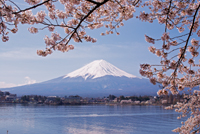
Latest statistics from the Japan National Tourism Organisation (JNTO) show that the number of visitors to Japan in 2012 was approximately 8.37 million, according to Kylie Clark, JNTO’s head of marketing in London, UK.“This is 34.6 per cent higher than the approximately 6.22 million visitors recorded in 2011, the year the earthquake and tsunami occurred, and just 2.8 per cent down on 2010 visitor numbers, so overall visitor numbers have almost recovered to pre-2011 levels,” she says.The JNTO has set a target of 10 million visitors for 2013 and is optimistic of achieving its goal through with a number of online, public relations (PR) and social media initiatives under the theme: ‘From Recovery to Full Flight’. The campaign is aiming to drive awareness both to the consumer and the travel trade. As Clark elaborates: “Initiatives to achieve this target will include further strengthening association between diplomatic missions abroad and Japanese-affiliated companies, building a foreign tourism framework that is not easily affected by external factors by promoting individual travel and diversifying tourism sources, and establishing a Japan tourism brand and enhancing its promotion.”The JNTO has also successfully been promting Japan in inflight magazines such as Emirates’ Open Skies, which dedicated an entire issue to the destination in November 2011, and other print media. Familiarisation and press trips, especially for key markets such as France, Germany and the UK, are also part of the strategy along with campaign partnerships with Air France, Virgin Atlantic, and Finnair. The JNTO is also planning an upcoming campaign with KLM to promote the airline’s new route into Fukuoka while it is hopeful that its Arabic JNTO website – www.alyaban.travel – launched in 2011 – will convince and educate Arabic audiences about the various possibilities the destination has to offer, from places to go and suggested itineraries. For the travel trade, specialist agent training is free via the JNTO website, www.seejapan.co.uk. The training is packed with essential knowledge to sell the destination with seventy agents having completed the course in January 2013 alone. So what should potential visitors be considering when booking their trip? “Japan’s most commonly travelled route by visitors is known as the “golden route” and takes in Tokyo, Hakone and Kyoto. This itinerary nicely contrasts ultra-modern Japan with Tokyo, traditional Japan with Kyoto’s hundreds of temples, shrines and gardens and the great outdoors with Mount Fuji and lakes in the Hakone national park. Popular extensions are Hokkaido for snow sports and Okinawa for beach resorts,” explains Clark.With the Middle East often renowned for its high number of travellers seeking a more luxurious experience, it’s interesting to note that Japan is home to the second largest population of high-net worth individuals after the US, meaning there is a wealth of luxury travel opportunities available. The Michelin guides to dining out in Japan have certainly helped encourage visitors to explore more of the country’s luxury restaurant offerings with Tokyo being home to more Michelin stars than any other city in the world, she says.While the majority of Japan’s tourists hail from South Korea, China, Taiwan, the US, Hong Kong and Australia, Clark is hopeful that as a result of the campaign, more Middle Eastern travellers will visit this incredible destination.Also, direct flights from the Gulf and the devaluation of the yen is now making Japan is both easier to access and more affordable than ever before, she adds. By Karen Osman