
ARABIAN Travel Market (ATM) has released the names of destinations nominated for this year’s New Frontiers Award, the results of which will be revealed at a special ceremony on the opening day of this year’s event in Dubai.
The award has been designed to recognise outstanding contributions to tourism development in the face of overwhelming adversity, helping the chosen destination with an exceptional marketing opportunity by donating exhibition space at the show to the value of $10,000.
Making the shortlist for 2011 are Haiti, Australia, Pakistan and Chile, all of which suffered devastating natural catastrophes during the past year, according to Mark Walsh, group exhibitions director, Arabian Travel Market – Reed Travel Exhibitions.
“Unfortunately disaster knows no boundaries and time and again we see regions and entire countries suffer economic stress due to the effects of floods, earthquakes, hurricanes and other natural phenomena,” he said. “This often results in further hardship when inbound tourism grinds to a halt and consequently the incomes of those involved in the travel industry are adversely affected, from government tourist boards to street vendors.
“Too often, devastated regions have to not only clean up and rebuild their communities but also undertake international marketing campaigns to revive their reputations among the travelling public.
“This is our way of helping them to help themselves in their time of need.”
The 2011 nominees have suffered either floods or earthquakes in the past year:
Australia reeled from the aftermath of a tropical cyclone and consequent flooding that began in Central Queensland and moved south and east, flooding the Queensland capital Brisbane as well as an area the size of Germany and France combined.
Following the evacuation of thousands, damage was estimated at more than AUD$10 billion ($10.5 billion), but within a matter of days further flooding followed in Victoria raising the bill and necessitating a nationwide levy to assist in the clean-up and rebuilding.
Also, at the beginning of February, a second severe tropical cyclone, Yasi, made landfall in Northern Queensland causing a further AUD$3.5 billion ($3.7 billion) of structural and agricultural damage and an AUD$1 billion ($1.05 billion) loss to the tourism industry.
In Haiti, efforts to rebuild the Caribbean country after the earthquake early in 2010 are still ongoing, with many of the 1.6 million residents made homeless still awaiting re- housing 12 months on.
Almost one in five Haitians has lost their jobs as a result of the earthquake with a consequent toll on the economy. Worse still, in the aftermath, a cholera epidemic broke out, hospitalising more than 18,000 Haitians in October alone and claiming 1,000-plus lives.
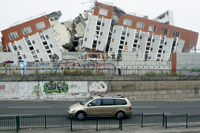
In Chile, the February 2010 earthquake that struck off the coast affected 80 per cent of the population with tremors felt throughout the country and into Argentina and Peru, but it was the tsunami that followed that was more destructive with damage throughout the Pacific as well as along the Chilean coast.
Electricity blackouts, food shortages and flood damage affected coastal areas and up to 500,000 houses were made uninhabitable, while the government estimated it would take three to four years to rebuild.
Annual floods in Pakistan turned into raging torrents in 2010 with heavy summer monsoon rains contributing to the deaths of 2,000 people, destruction of property, livelihoods and infrastructure affecting 20 million and with one-fifth of Pakistan’s total land area submerged at one point.
Around five million jobs are estimated to have been lost and the loss of cash crops is expected to hit textile exports hard, while agricultural production has dropped 15 per cent and tourism has been badly affected.
Last year, the Philippines received the New Frontiers Award and can surely testify to the benefits when the government used the complimentary exhibition space to great effect, marketing the Philippines as a safe tourism destination, following a typhoon which threw an entire month’s monsoon rain on the country in a period of just a few days, devastating its infrastructure.
Receiving the award, head of tourism for the Middle East, Benito C Bengzon said it was a testament to the strength and resilience of the Filipino people and underlined the determination of the government and stakeholders to resuscitate the tourism industry, enabling them to further promote the Philippines to the Middle East market.