
AS LONDON readies itself for a royal wedding and an influx of tourists eager to absorb all the pomp and ceremony, England can look forward to a good start to tourism for 2011, says the International Tourism Trade Fairs Association (ITTFA).British tourists going abroad will be looking for value for money holidays in general, as will most nationalities as the world continues to cope with financial hardships.
In Europe, Tallinn, the capital of Estonia, together with the Finnish city of Turku assume the mantle of European Capitals of Culture and both cities have packed programmes of events to attract the tourist. Further afield, New York looks at the 10th anniversary of 9/11 and New Zealand gears up for the Rugby World Cup.
But behind the glitz and promotion of mainstream tourism lies the niche markets and less usual holiday options, one of which is voluntourism, a word that is being heard more of as the sector goes from strength to strength according to the ITTFA.
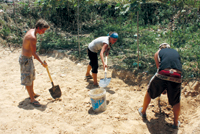
Voluntourism is defined as travelling abroad and taking part in any volunteer project while receiving no compensation and recently these ‘bite-sized’ volunteer holidays have grown in popularity. There are many types of volunteer vacations ranging from cleaning up local wildlife areas, which requires little or no skill, to providing highly-skilled medical aid in a disaster zone. Although participants come from a variety of backgrounds, they all share a desire to do something good whilst experiencing new places and cultures.
Travel exhibitions play a pivotal role in nurturing and developing these niche markets and are the ideal place to showcase new ideas, test the waters and obtain key contacts.
ITTFA member TUR, the leading Scandinavian trade fair for travel, tourism and meetings, has noticed a definite increased interest in Volunteer travel. “We have recently started up a brand new collaboration with a Swedish company called Amzungo, a travel agency specialising in volunteer travel, providing a range of options and opportunities for travellers to make a contribution to the local market,” said Per Magnusson, TUR exhibition manager.
Through Amzungo, TUR will sponsor a free volunteer travel package worth approximately €1,000 for one person. Amzungo attracts a new kind of visitor to the fair and TUR can promote its sponsorship as a part of its corporate social responsibility (CSR) policy. TUR has also joined forces with Green Bag Tag providing exhibitors with the opportunity to make a climate donation towards reducing their CO2 impact while participating at TUR. CSR is becoming a big part of exhibition organisers’ repertoire and sets a good example in the field of responsible tourism.
As visitors and exhibitors alike look even more carefully at their choices, it is the events which can offer both the mainstream and the niche travel products, those who are looking to the future, that will stay strong and prosper in this tough economic climate. It is now up to organisers to offer a full catalogue of products and features by broadening their horizons and staying a step ahead. Travel exhibitions should be at the forefront of new products and markets and leading trade events help show the way.
The volunteer tourism sector really started to develop in the 1990s when the travel industry developed niche products and firms started up to provide volunteer vacations to people who had no previous experience with a cause and to cater to the increasing number of young people taking gap years. Some of the earliest organisations to offer such trips included Earthwatch, Habitat for Humanity and Global Citizens Network.
However, the idea of combining voluntary service with travel is not a new concept. In fact, it can be traced back for many thousands of years in various cultures and religious orders throughout the world. Missionaries, healers, medical practitioners, sailors, explorers and countless others have rendered service in conjunction with their travels.
Voluntourism now caters to people of all ages, offering a way to learn about the people and places being visited on a deeper more meaningful level, which can also lead to establishing long-lasting connections. Often participants will learn a new skill and, if the overall experience is positive, continue to support the area or project once back home. It can be a way to give back to a community, to work towards a cause you believe in, or simply to find a way to make a positive impact through your travels. As demand grows, more and more non-profit organisations, agencies and tour operators will expand the opportunities on offer to those looking for a different type of vacation experience.