
AS THE opening move in a new
The cleanup effort came in advance of a Clean Up Bali day, on Sepember 20, in conjunction with Clean Up the World weekend, a global event organised as a United Nations Environment Programme held from September 17 to 19.
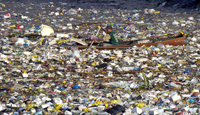
In an archipelago of some 17,000 islands, trash produced by one island, or country, can easily end up on another. On the Greenpeace website a report of a swirl of plastic and garbage the size of
BC&G coordinator Nunie Kneip referred to the effort as the launch of an ongoing campaign, linking schools, businesses and the community.
“We’re also trying to create greater awareness, getting locals and visitors connected and clued into the threat garbage poses, especially plastic,” said Kneip.
“Where the plastic comes from doesn’t effect the outcome for now,” said one volunteer at the BC&G press conference. “We just need to get busy and coordinate efforts to curb the issue.” Held at Sanur Paradise hotel only a short distance from sun-drenched Sanur beach, the mood amongst Balinese business owners, government officials and expatriates involved in the campaign was guardedly optimistic.
Waste management is a significant problem with a good percentage of
“By commencing our island-wide Bali Clean Up project, not only can we reduce the amount of litter but also build long-term environmental awareness, improve mosquito outbreak prevention inland where trash chokes fresh water supplies and simply maintain the island’s reputation as the most sought-after holiday destination,” said Bruce Jellard, Rotary Club Nusa Dua President whose organisation is a key supporter of the clean-up drive.
For now, the centre of attention is the hissing waves that roll onto
“The effort to restore the beaches back to their pristine condition involves all resort operators, local businesses in addition to all local communities. There’s no denying that washed-up trash effects us all, especially those heavily reliant on tourism” said Conrad Bali resort general manager Michael Burchett.”