

AL AIN Wildlife Park & Resort (AWPR), a multi-faceted ongoing phased development spread over 900 hectares, boasts one of the world’s most unique collections of arid-land species and work is underway in collaboration with Oxford University, the Smithsonian Institution, San Diego Zoo and other global conservation leaders on species reintroduction projects.
AWPR CEO DR FREDERIC LAUNAY speaks to SHALU CHANDRAN about his plans for AWPR and developing a destination of choice for nature lovers the world over.
Since your launch as AWPR, how much global awareness does the park have?
Whereas the global reach of AWPR’s conservation efforts is broad and well-known, marketing the resort as a destination of global importance has only just begun. This spring AWPR participated in ITB Berlin, Arabian Travel Market (Dubai), and GIBTM (Abu Dhabi). In the fall exhibitions will include World Travel Market in London and the World Green Tourism Abu Dhabi event. AWPR partners with the Abu Dhabi Tourism Authority to travel regionally and globally with current trips to Australia and a recent tour through Saudi Arabia, Oman, Qatar and Bahrain.
 |
What kind of attendance do you see now? What percentage of visitors are residents compared to tourists?
In 2009 we welcomed 760,000 guests. In 2010 we are on target to receive nearly 1 million. As the park rolls out new offerings we expect to increase attendance to 2.5 million.
Currently, the majority of our visitors are residents of the UAE and Oman. Al Ain, Dubai and Abu Dhabi residents constitute 75 per cent. Oman and the distant emirates of the UAE contribute another 15 per cent. The remaining 10 per cent are international tourists from the GCC region, Europe, Russia and Asia.
The focus will be on the international tourist to meet the attendance goals of the future.
When is Phase 1 due for completion and what can we expect to see?
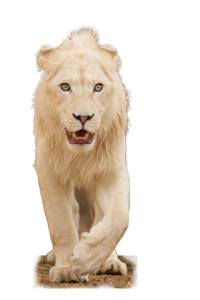
Phase 1 is expected to welcome guests at the end of 2011. It includes the Sheikh Zayed Desert Learning Centre – a 10,000-sq-m natural history museum dedicated to geology, ecology, anthropology and the concepts of conservation and sustainability – the North Kenya Safari – the first of five desert safari experiences, featuring the arid land ecosystem of North Kenya with abundant wildlife including herds of ostrich, eland, giraffe, impala, zebra, a pride of lions, hippo and water birds.
The World Deserts Zoo symbolises the new wildlife park. It is filled with plants and animals from arid regions of the world.
A five-star, 210-room family hotel will also be on offer including conference facilities, spa, restaurants and recreation facilities.
 |
What’s coming in phases 2 and 3?
Phases 2 and 3 will complete the project with additional safaris, desert encampments, residential areas and the conservation and breeding centre.
Added safaris will include the Kalahari, Sahara, Arabian and Asian desert safaris. Residential communities will overlook many of these safaris and residents will see the animals, plants and landscapes from vistas within their homes and community.
Luxurious desert encampments will be situated within different safaris.
Our current facility, which has been in existence for more than 40 years, will become off limits to the public and serve as the institution’s conservation and breeding centre. Research in plant and animal conservation will be the focus of the new facility
With a resort, retail outlets and residential community on the plan, are there concerns of hampering the ecological balance at the park?
Whether people visit us for a day, a week or a lifetime, AWPR exists to bring its guests closer to nature. At its core, AWPR is an educational and conservation institution. The park, including its museum, zoo, safaris and desert encampments, is the core of the facility. Guests are invited for the day to the park or for a longer stay at our hotel. Some guest will choose to live in our residences, all of whom will be invited to learn about the wildlife, how to conserve it and how to live a more sustainable lifestyle.
What are the biggest challenges in breeding and conserving these species in today’s environment?
The biggest threat facing animals is habitat destruction from economic expansion, pollution, and climate change. Other significant threats include the animal trade, illegal hunting and disruption of migration routes.
We are working with numerous organisations throughout the world to protect animal habitats and build capacity for reintroduction projects. For example, the Scimitar-horned oryx, native to North Africa, was hunted out of existence as recently as the 1980s. Once congregating in herds numbering in the 1000s, only a few thousand animals exist and only in captivity. The Al Ain Wildlife Park & Resort is leading global efforts to reintroduce the species to North Africa. This effort involves managing the isolated captive populations as a world herd to build genetic diversity within the captive population and working with the governments of North Africa to secure sites for reintroduction. Its efforts are part science and part politics.